
Your go to resource
for a more balanced you!
The Burnout-Hormone Connection Nobody Talks About
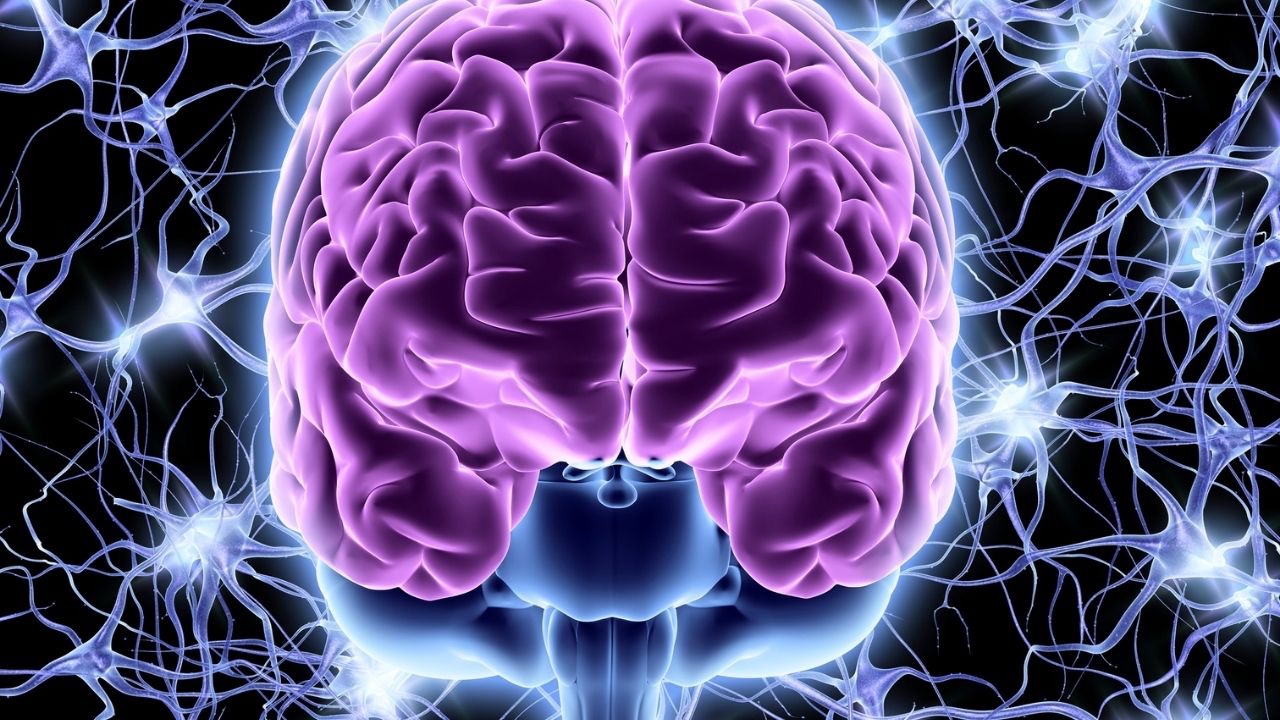
You might be sleeping, eating well, even working out but still feel off. That’s because hormone health is deeply tied to your nervous system state.
When your body is constantly activated by stress, it shifts away from repair and reproduction. That can mean:
-
Disrupted cycles or hot flashes
- ...
Signs You’re Running on Empty (And What to Do About It)
When fatigue becomes your norm, even with “healthy” habits in place, your hormones may be struggling under the weight of burnout.
Depleted systems can look like:
-
Needing caffeine to function
-
Feeling anxious, emotional, or detached
-
Low energy during workouts or social activities
- ...
Cycle Crashing? Your Nervous System Might Be the Culprit
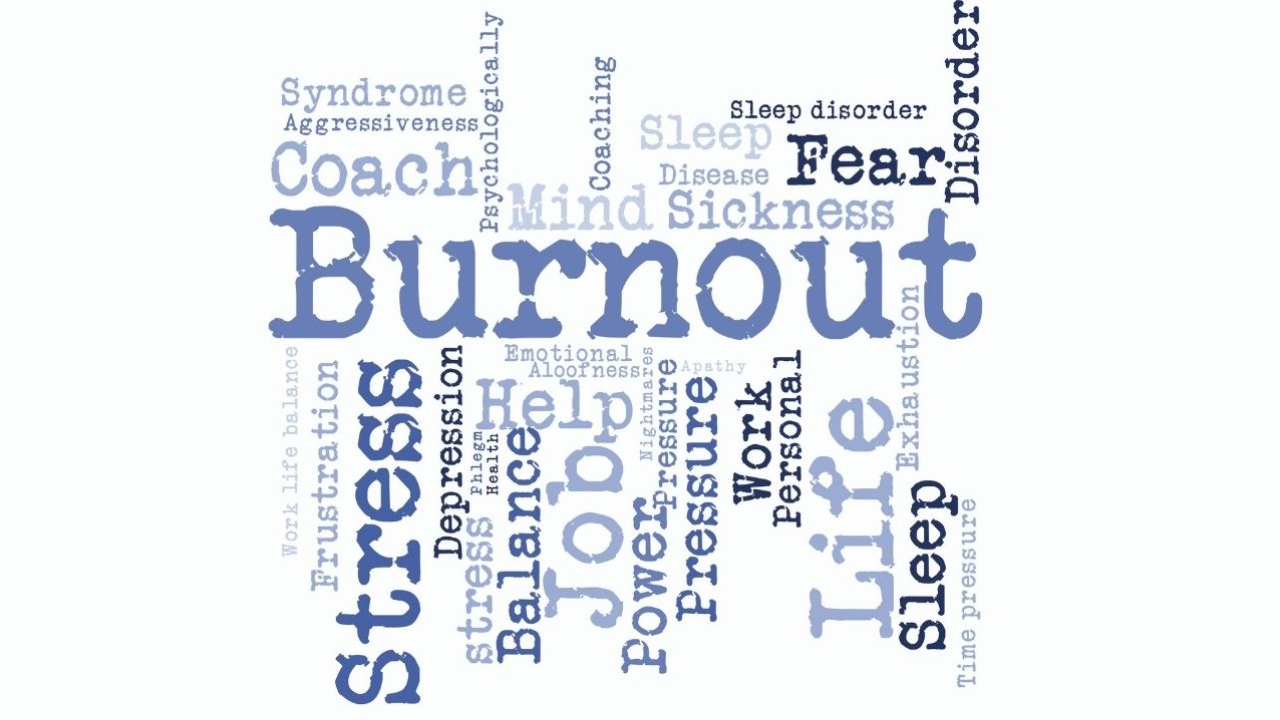
When emotional highs and lows intensify before your period, or you're feeling more sensitive and wired, your nervous system is likely overwhelmed.
A constant state of fight-or-flight (chronic stress) can show up hormonally as:
-
Heightened cramps, mood swings, or PMS “rage”
-
Sleep troubles, ...
Why Slowing Down Is a Hormone Strategy, Not a Luxury
The go-go-go lifestyle might feel like a productivity badge of honor, but if you're running on fumes, your hormones are paying the price.
Long-term, chronic stress dysregulates the nervous system and suppresses vital hormone production, leading to:
-
Mood instability, fatigue, and sleep issues
...
Why Digestion Shapes Your Cycle

Hormones don’t just live in your ovaries or adrenals—they move through your entire body, including your gut.
If your digestion is sluggish or your gut microbiome is out of balance, those hormones can get reabsorbed and cause:
-
Bloating, cramps, or skin issues.
-
General inflammation
...
Tired but Wired: When Burnout Disrupts Hormone Balance
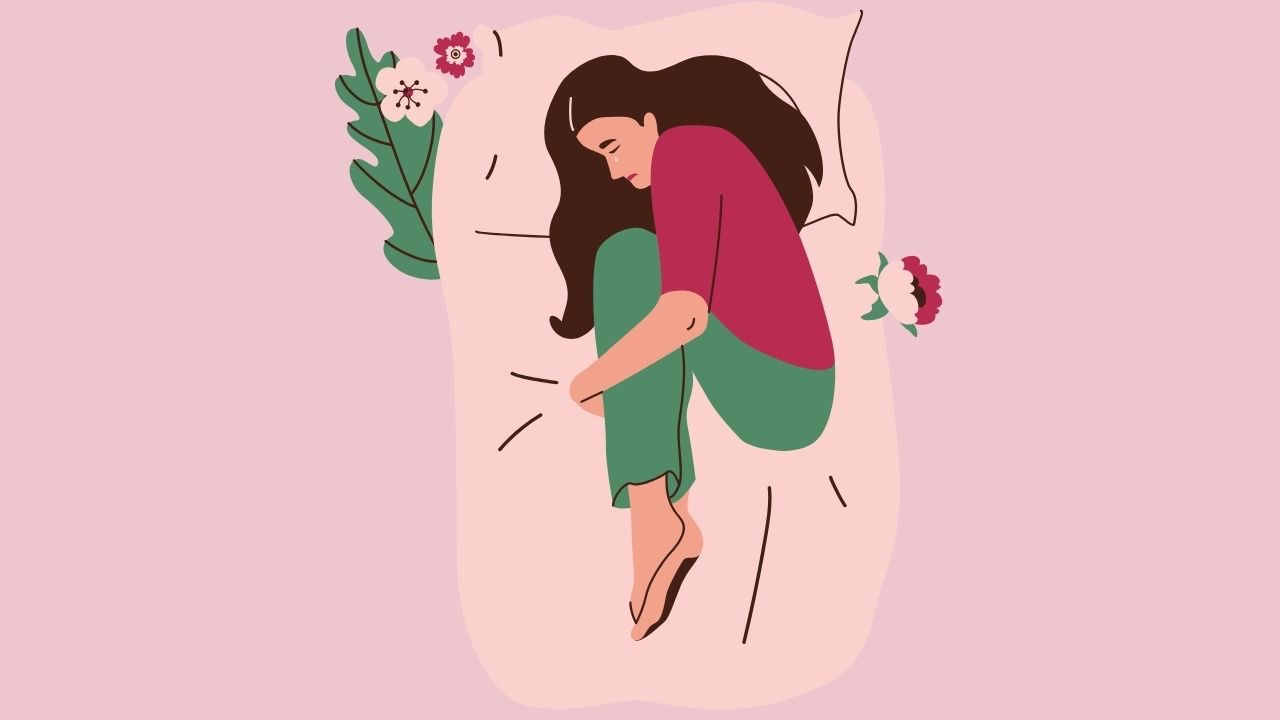
Exhausted by 3 p.m. but wired at night? That’s a nervous system under siege and it can wreak havoc on your hormonal health.
Chronic stress keeps cortisol elevated and progesterone low, causing:
-
Irregular cycles or heightened PMS
-
Anxiety, insomnia, and inflammation
-
Hair shedding, wei...
Reclaiming Rest: How Circadian Rhythm Supports Hormones in Transition
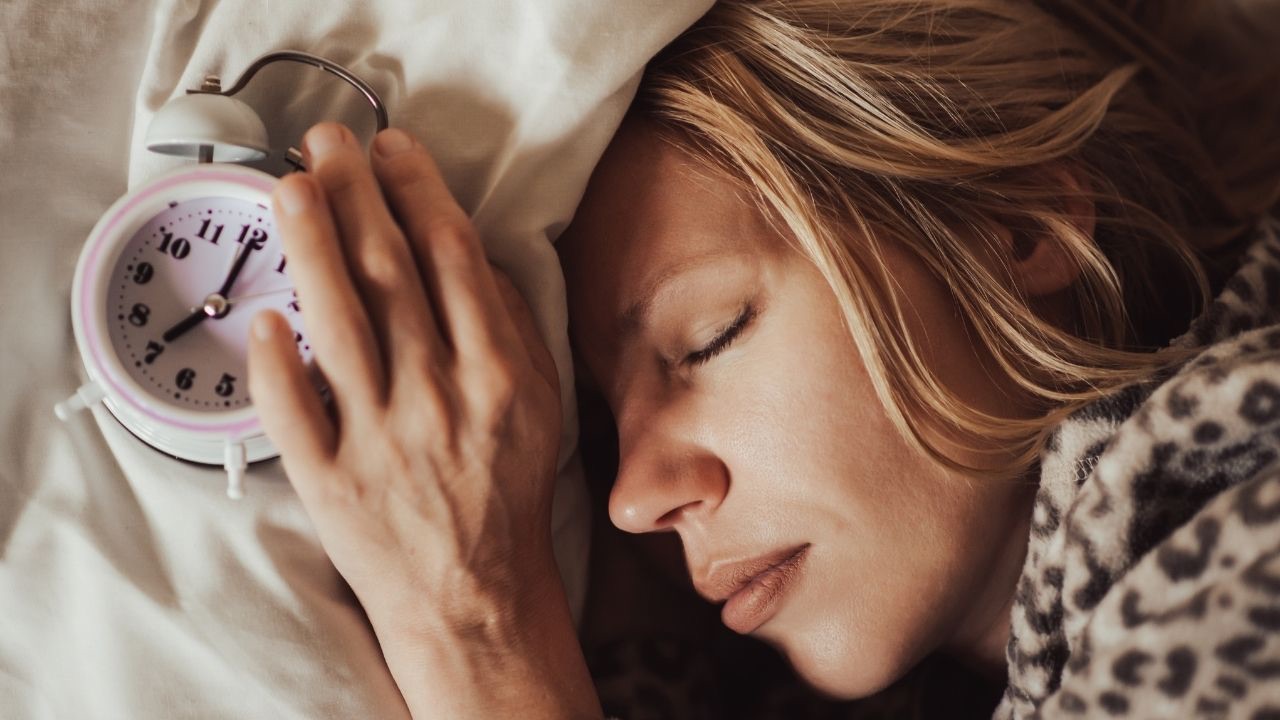
Hormonal changes—whether from shifting cycles, stress, or life seasons—can throw off your circadian (sleep-wake) cycle. And that disruption only worsens symptoms like:
-
Hot flashes, mood swings, or irregular periods
-
Mid-day energy crashes
-
Restless sleep or nighttime wake-ups
...
Train with Your Body’s Rhythm, Not Against It: How Circadian Timing Shapes Performance
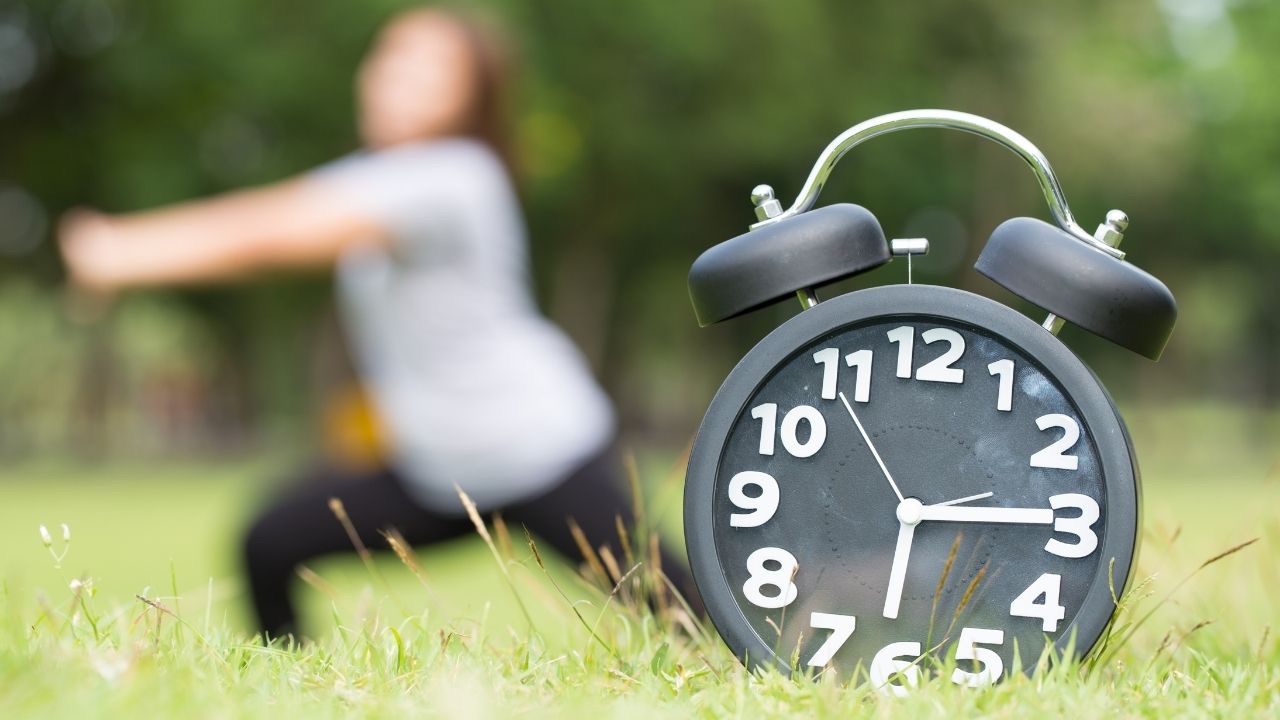
Movement is powerful—but when you move matters just as much as how. Your body has a natural rhythm, and honoring it is key to supporting hormone balance, energy, and recovery.
Early-morning or late-night workouts might work for some, but for others they can spike cortisol and suppress progesterone,...
The Hormone Clock: Why Circadian Rhythm Matters More Than You Think
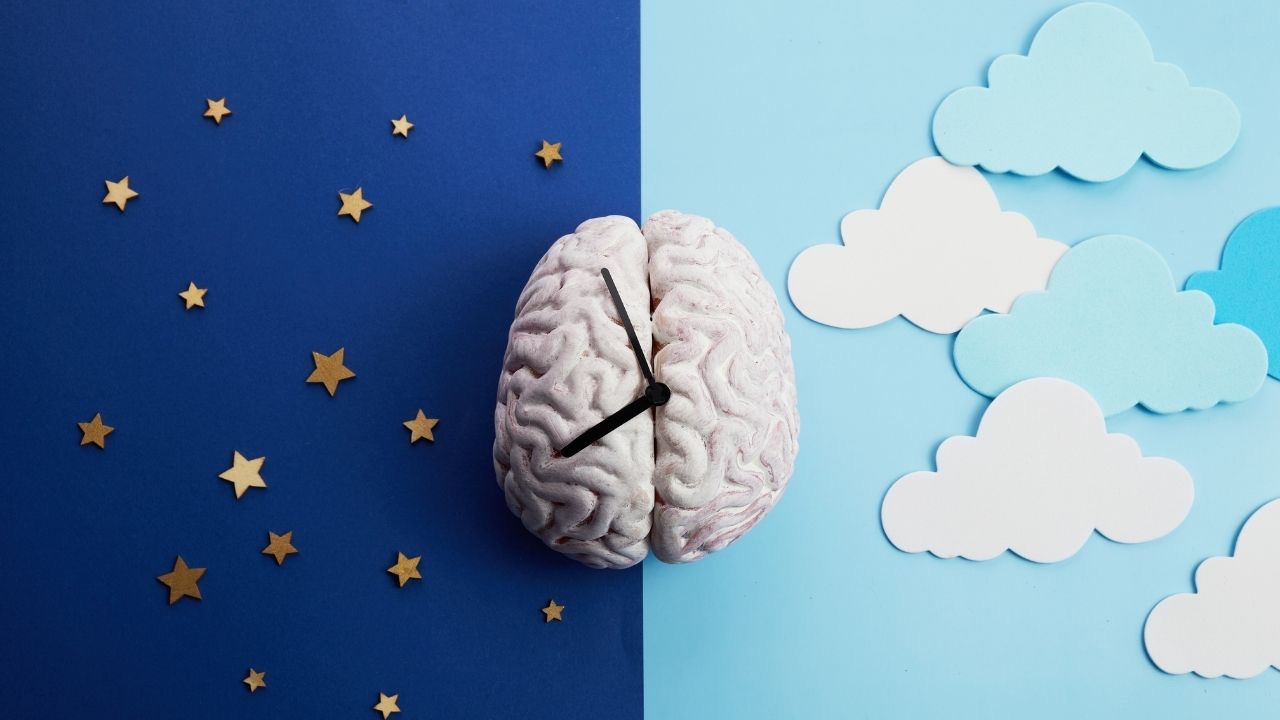
Late nights, early mornings, or erratic schedules can confuse your body’s internal clock—and your hormones take the hit.
When the circadian rhythm is off, cortisol, melatonin, estrogen, and progesterone get disrupted. That shows up as:
- Trouble falling or staying asleep
- Mood dips and energy ...
Caffeine and Your Cycle: How Much Is Too Much?

We get it, coffee is life. But if you’re feeling jittery, irritable, or sleepless (especially before your period), it might be time to rethink your caffeine habits.
Caffeine increases cortisol, your stress hormone, and can:
-
Contribute to painful periods
-
Disrupt sleep (even if consumed ear...